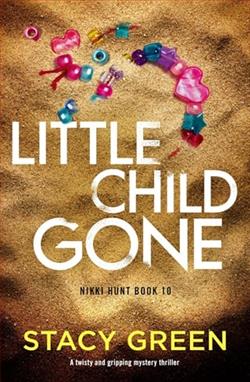
Stacy Green's Little Child Gone is a gripping thriller that expertly weaves together elements of mystery, suspense, and emotional depth. The novel introduces us to Special Agent Nikki Hunt, a character who is as complex as the cases she investigates. From the outset, Green sets the stage for a chilling narrative with a haunting scene: a secret room hidden behind a wardrobe, containing two sets of fragile bones and a dark stain on the floor. This evocative imagery immediately draws the reader into a world where secrets lie buried beneath layers of time and deception.
The novel's central theme revolves around the idea of hidden truths and the lengths to which people will go to protect them. The discovery of the bones in the old farmhouse is not just a catalyst for the plot but also a metaphor for the buried secrets that Nikki must uncover. The farmhouse itself, with its dusty, abandoned rooms and the overwhelming smell of bleach, serves as a powerful symbol of the past's haunting presence in the present.
Character development is one of the novel's strongest aspects. Nikki Hunt is portrayed as a determined and resourceful investigator, yet she is not without her vulnerabilities. Her personal struggles and the emotional toll of her work add depth to her character, making her relatable and compelling. Green skillfully balances Nikki's professional life with glimpses into her personal world, allowing readers to connect with her on multiple levels.
The supporting characters are equally well-crafted, each contributing to the novel's intricate narrative. The Hall family, particularly Taylor's parents, are portrayed with nuance, leaving readers questioning their motives and the truth behind their facade. The whispers about Taylor's mother's drinking habit and the seemingly idyllic family life contrast sharply with the underlying tension, creating a sense of unease that permeates the story.
Green's writing style is both engaging and evocative, with a keen attention to detail that brings the story to life. The pacing is expertly managed, with each chapter building on the suspense and driving the narrative forward. The use of vivid descriptions and atmospheric settings enhances the novel's tension, immersing readers in the world Green has created.
One of the novel's most intriguing elements is the mystery surrounding Taylor Hall's disappearance and its connection to the past. The crumpled note found in Taylor's locker, with its reference to the date the housekeeper went missing and the name "Bailey," adds a layer of complexity to the plot. This connection between past and present is a recurring motif in the novel, underscoring the idea that the past is never truly gone and can have far-reaching consequences.
As Nikki delves deeper into the investigation, the novel explores themes of identity and belonging. The question of Taylor's true family and the possibility that he might be connected to the events of the past adds an emotional dimension to the story. Green handles these themes with sensitivity, allowing readers to empathize with the characters' struggles and the impact of their discoveries.
In comparison to other thrillers, Little Child Gone stands out for its intricate plot and well-developed characters. Fans of authors like Karin Slaughter and Lisa Gardner will appreciate Green's ability to blend suspense with emotional depth. The novel's exploration of family dynamics and the consequences of hidden truths adds a layer of complexity that elevates it above a standard mystery.
Overall, Little Child Gone is a compelling and thought-provoking read that will keep readers on the edge of their seats. Stacy Green has crafted a story that is both thrilling and emotionally resonant, with a protagonist who is as intriguing as the mysteries she solves. The novel's exploration of the past's impact on the present, combined with its well-drawn characters and suspenseful plot, makes it a standout in the genre.
For those interested in a thriller that combines mystery with emotional depth, Little Child Gone is a must-read. Its exploration of hidden truths and the complexities of family relationships will resonate with readers long after the final page is turned.



