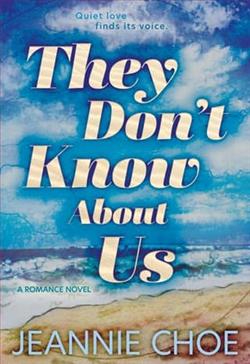
Jeannie Choe's novel, They Don't Know About Us, is a poignant exploration of love, loss, and the complexities of marriage. The narrative centers on Kendall and James Cohen, a couple whose relationship is on the brink of collapse. Choe deftly navigates the intricate dynamics of their marriage, offering readers a deeply intimate look at how grief can silently erode even the strongest bonds.
At the heart of the story is the theme of unspoken grief. The Cohens are haunted by a loss that has been buried beneath the surface of their lives, affecting their interactions and the way they connect with each other. Choe captures the subtle ways in which unresolved grief manifests, from practiced smiles to conversations that barely scratch the surface. This theme is reminiscent of works like Revolutionary Road by Richard Yates, where the facade of a perfect life masks deeper turmoil.
Character development is one of the novel's strongest aspects. Kendall Cohen is portrayed with a complexity that makes her both relatable and compelling. She is a woman torn between the desire to hold onto the remnants of her marriage and the need to find herself beyond the roles of wife and mother. Her internal struggle is palpable, and Choe writes her with a sensitivity that evokes empathy. James, on the other hand, is depicted as a man who is steadfast in his love but struggles to articulate his emotions. His journey is one of learning to confront his own vulnerabilities and the part he plays in their shared grief.
The emotional impact of They Don't Know About Us is profound. Choe's writing style is both lyrical and intimate, drawing readers into the emotional landscape of the characters. The novel does not shy away from the raw and often painful realities of a marriage in crisis. Instead, it embraces them, offering a narrative that is as heartbreaking as it is honest. The tension between Kendall and James is palpable, and as their story unfolds, readers are left to ponder the question: Is love enough to rebuild what has been lost?
Choe's prose is reminiscent of authors like Celeste Ng and Jhumpa Lahiri, who similarly delve into the intricacies of family dynamics and personal identity. Her ability to capture the quiet moments of introspection and the explosive confrontations between characters is a testament to her skill as a storyteller. The dialogue is authentic, and the pacing allows for a gradual unraveling of the characters' inner worlds.
One of the most striking elements of the novel is its exploration of the fragile hope that comes with choosing to stay in a relationship. Choe examines the cost of staying and the courage it takes to confront what has been avoided for years. This theme resonates with readers who have experienced the complexities of long-term relationships, making the novel both relatable and thought-provoking.
In conclusion, They Don't Know About Us by Jeannie Choe is a masterful portrayal of a marriage at a crossroads. It is a story that delves deep into the emotional undercurrents of love and loss, offering a narrative that is both intimate and universal. Choe's ability to weave together themes of grief, hope, and resilience makes this novel a standout in the contemporary fiction genre. For readers who appreciate character-driven stories that explore the depths of human emotion, this book is a must-read. Its impact lingers long after the final page, prompting reflection on the nature of love and the choices we make in its name.



